How to Store Vinyl Records Safely at Home
Poor storage ruins records faster than heavy use. Here is what actually works for keeping your vinyl in playable condition for decades.
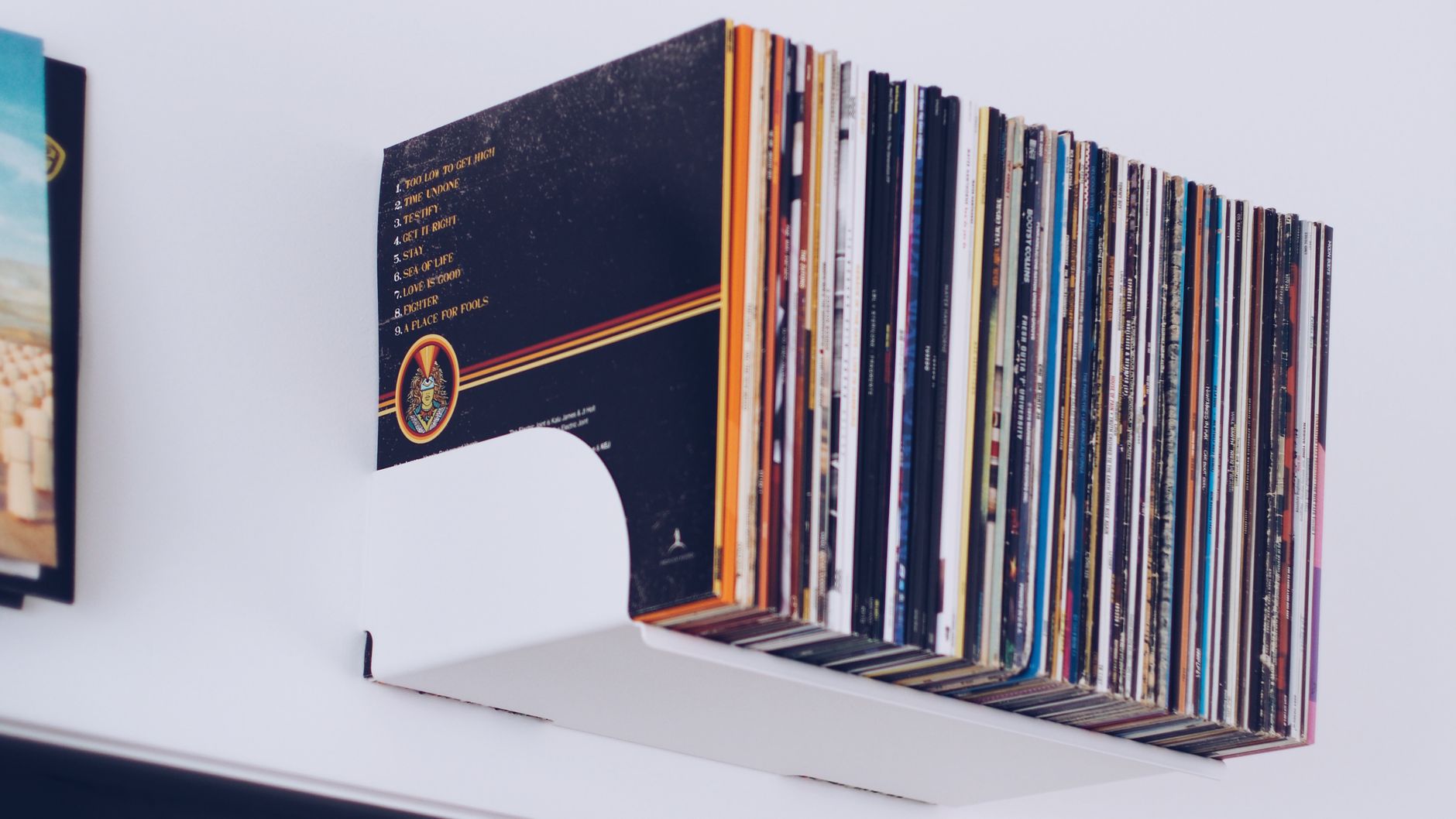
Vinyl records are durable objects that can last well beyond a human lifetime if handled and stored correctly. They are also surprisingly easy to ruin through ordinary neglect - warped by a warm shelf, scratched by a paper inner sleeve, or cracked by a stack left leaning at an angle. If you are building a collection, or inheriting one, understanding storage fundamentals is more important than any other piece of equipment advice.
The Single Biggest Enemy: Heat and Direct Sunlight
Vinyl is a thermoplastic material. It softens under heat and, once warped, it rarely returns to a perfectly flat state. A record left on a windowsill, stored in an attic, or kept near a radiator can warp within hours on a hot day. The damage is often subtle at first - a slight dish warp that causes the stylus to bounce at a particular point in the groove - and that is enough to destroy an otherwise quiet, dynamic listening experience.
Keep records away from direct sunlight at all times. Even indirect heat sources such as radiators, underfloor heating vents, or a receiver sitting directly below a shelf can gradually soften records over months. A stable room temperature between roughly 60 and 70 degrees Fahrenheit is a reasonable target. Humidity matters too - consistently high humidity encourages mold growth in the grooves, which is one of the harder problems to fix.
Always Store Records Vertically

This is the most commonly broken rule, and the most consequential. Records stored horizontally in a stack press down on one another under their own weight. The bottom record in a large stack bears significant force, and over time this causes warping. It also makes retrieving individual records awkward, which means the covers get bent and the records get handled roughly.
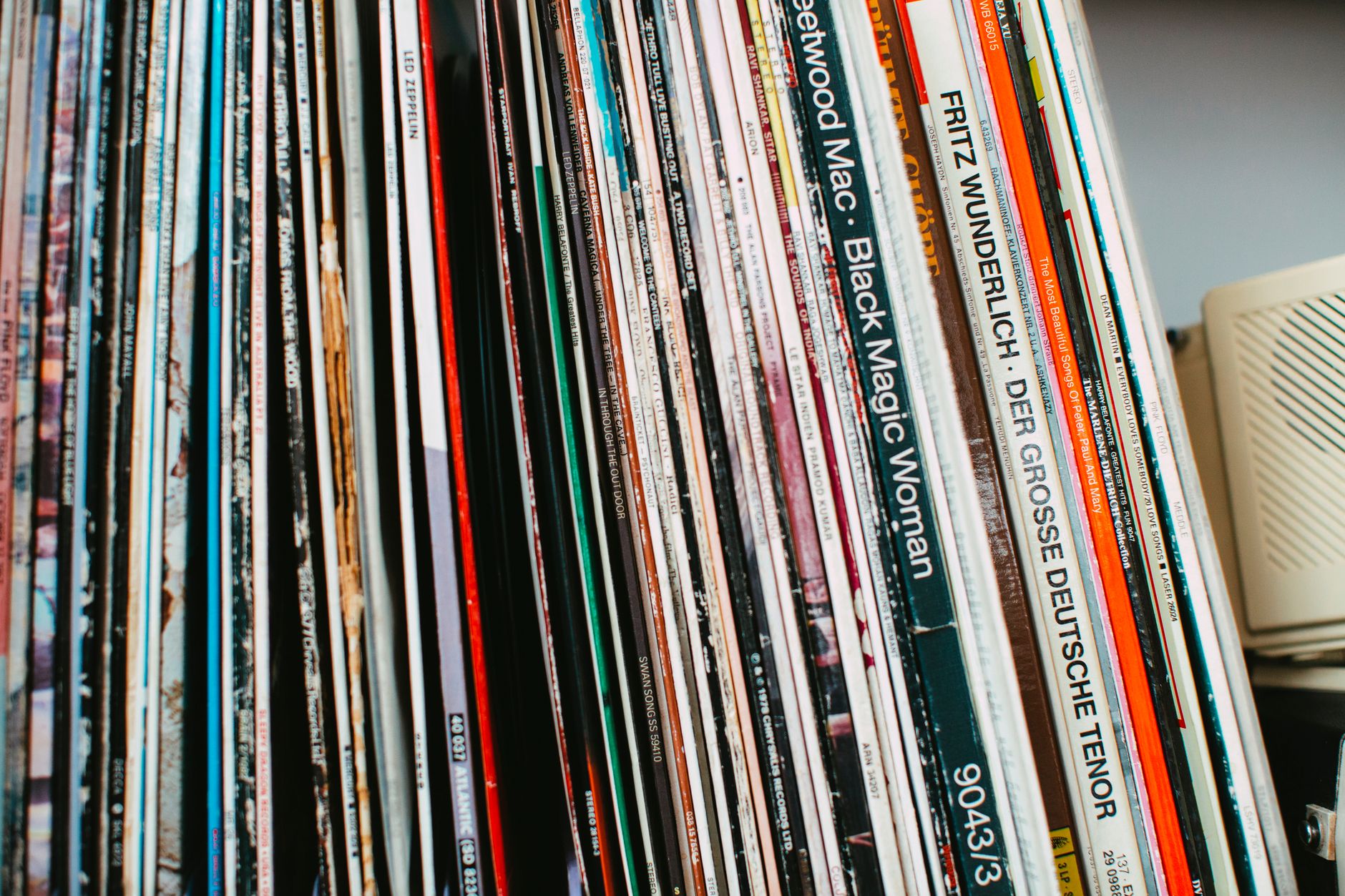
Store every record upright, like books on a shelf. Keep them snug enough that they do not lean at a steep angle - a record left tilting at 45 degrees inside a loose crate will develop a warp along the lower edge. But do not pack them so tightly that you have to force records in and out of the row, because that causes sleeve and record damage too. A gentle, consistent vertical position is the goal.
Crates, cube shelving units, and purpose-built record storage furniture all work well. Ikea’s Kallax shelving has become popular among collectors for this reason - the cube dimensions suit standard 12-inch records and the compartments keep rows naturally upright without requiring additional support brackets.
Inner Sleeves Matter More Than People Expect
The paper inner sleeves that come with most records are a problem. Standard paper sleeves have rough fibers that contact the playing surface every time you slide a record in or out. Over years this creates fine circular scratches called swirl marks, which add a low-level surface noise to quiet passages.
Replace paper inner sleeves with polyethylene or rice paper sleeves. Polyethylene sleeves are inexpensive, anti-static, and smooth enough that they do not abrade the surface. Rice paper sleeves (sometimes called MoFi sleeves after one well-known brand) have a softer texture and are considered a step up, particularly for records you care about most. Either option is a meaningful upgrade from the original paper sleeve for daily-use records.
One practical approach: keep the original paper sleeve inside the outer cover for aesthetic reasons, and store the record itself in a separate poly sleeve placed inside the cover alongside the paper one. This preserves the original artwork and packaging while protecting the vinyl.
Outer Sleeves and Cover Preservation
The cardboard outer sleeve - the cover - is often half the value of a collectable record. Ring wear, seam splits, and moisture damage can significantly affect what a record is worth and how it looks on a shelf. Outer polypropylene sleeves, slipped over the entire album cover, protect against dust, humidity, and handling wear. They are sold in packs and cost very little per sleeve.
When you slide a record in and out of its outer cover, always direct the opening of the inner sleeve away from the opening of the outer cover. If both openings face the same direction, the record can slide out of the inner sleeve and directly against the cardboard, which scratches it. Orienting the inner sleeve opening at 90 degrees or facing downward prevents this.
Cleaning Before Storage
Storing a dirty record seals the grime into the grooves. Dust, fingerprints, and pressing residue all contribute to surface noise and, over time, to stylus wear. Before filing a new-to-you record - whether just bought or inherited - clean it first.
A basic carbon fiber brush removes loose surface dust and is fine for records already in good condition. For records with visible contamination or significant noise, a wet cleaning method is more effective. This means applying a cleaning fluid, working it gently across the grooves with a soft brush or pad, and removing it with a lint-free cloth or a vacuum-based record cleaning machine. Machines from brands like Okki Nokki, Record Doctor, or Nitty Gritty have been used by collectors for decades and remain effective tools. Ultrasonic cleaners have become more accessible in recent years and offer a deeper clean, though they represent a larger investment.
The point is simple: a clean record going into a clean sleeve, stored vertically in a stable environment, will stay in playable condition for a very long time.
A Note on New Vinyl Releases and Long-Term Storage
Collectors who buy new pressings - including color variants, picture discs, and reissues - often store them without playing them. Picture discs in particular are worth mentioning here because they are made differently from standard black vinyl. The image layer is sandwiched between two clear vinyl sheets, and the playback surface is the clear vinyl itself rather than a pure PVC compound. They tend to be noisier to play and can be more fragile. If you buy a picture disc as a display or collectible item, store it vertically like any other record, but be aware that its long-term structural properties differ from standard pressings.
For any record you are keeping as a collectible rather than playing regularly, the same storage principles apply. Heat, light, weight, and abrasion are the risks regardless of what the record is worth or how new it is.
What to Avoid in Summary
Do not store records flat. Do not store them near any heat source. Do not leave them in original paper inner sleeves if you want to preserve the playing surface. Do not put them away dirty. Do not pack them so loosely they lean, or so tightly you have to force them.
Good storage requires no specialist skill. It requires consistent habits and the right basic materials - poly inner sleeves, outer protective sleeves, and stable vertical shelving in a climate-controlled room. Set those conditions up once, and your collection takes care of itself.